
Commercial Rental Property Insurance: Cost and Coverage in Ohio
Kenneth Schaub, Owner & Licensed Insurance Advisor
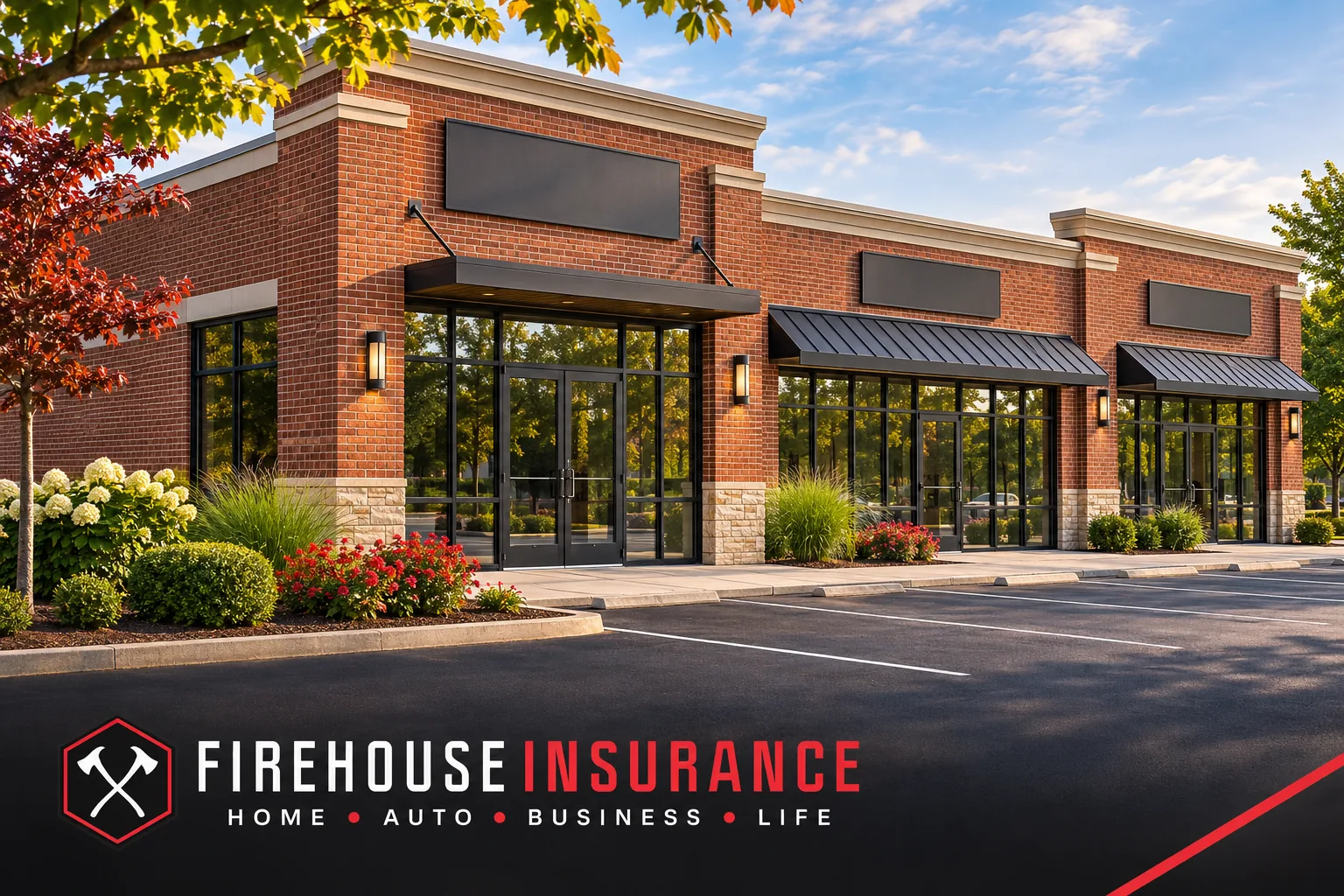
A single small commercial building, a strip of offices or a standalone retail space, typically costs $800 to $3,500 a year to insure, depending on the building's age, construction type, and location. Larger multi-tenant buildings or anything with a higher-risk tenant mix (a restaurant, an auto shop) runs higher. The policy covers three distinct things: the physical structure, the income you'd lose if it became unusable, and your liability as the property owner.
What Does Commercial Rental Property Insurance Actually Cover?
A commercial rental property policy is really three coverages bundled together:
- Building coverage — repairs or rebuilds the structure after a covered loss like fire, wind, or vandalism.
- Loss of rents — replaces rental income you lose while the building is being repaired after a covered claim.
- Liability — covers injuries that happen on the property itself: a tenant's customer who slips on an icy common-area sidewalk, a broken railing in a shared hallway.
What it does not cover is your tenant's own business operations or their contents. That's on their policy, not yours.
Lessor's Risk Only vs. a Full Commercial Package
If you own the building but don't run a business out of it yourself, you'll often see this written as a Lessor's Risk Only (LRO) policy, sometimes just shortened to "LRO" in the industry. It's built specifically for landlords: you're covering the building and your liability as the owner, not day-to-day operations, because you don't have any. If you occupy part of the building yourself, you'd typically combine LRO-style coverage with a standard commercial property/liability package for your own operation.
| Situation | Typical coverage |
|---|---|
| You own the building, rent 100% to tenants | Lessor's Risk Only (LRO) |
| You own the building, occupy part, rent the rest | Commercial property package + liability, blended |
| You own and occupy a multi-unit building (5+ residential units) | Commercial apartment/landlord policy |
Do You Need It If You Only Rent to One Tenant?
Yes. A single-tenant building is still a commercial real estate asset with the same exposures: the structure can burn down, a visitor can fall in the parking lot, and you still lose rental income if the building is unusable. Having one tenant lowers your management overhead, not your insurance need.
What's Not Covered?
Standard commercial property policies exclude flood and earth movement (earthquake) by default, both need to be added separately if the property is in a flood zone or seismically active area, which is uncommon but not nonexistent in parts of Ohio near the Ohio River. They also don't cover your tenant's build-out, inventory, or equipment, that's the tenant's responsibility under their own lease and policy.
Whether you're renting out an office suite, a strip center space, or a standalone building, getting the right mix of building, income, and liability coverage in one quote is straightforward. Get a quote or see how this compares to Lessor's Risk coverage, office building insurance, or strip center insurance for your specific property type.
Frequently asked questions
Is commercial rental property insurance the same as landlord insurance?
They overlap but aren't identical. "Landlord insurance" usually refers to a residential rental (a house or small multi-family), while commercial rental property insurance covers a building used for business purposes, office space, retail, or a multi-tenant commercial building, whether you occupy part of it or rent all of it out.
What is Lessor's Risk Only (LRO) coverage?
Lessor's Risk Only, sometimes abbreviated LRO, is a liability policy built specifically for landlords who lease commercial space to tenants but don't operate a business there themselves. It covers your liability as the property owner, injuries in common areas, a sign that falls on a sidewalk, separate from whatever liability coverage your tenants carry for their own operations.
Does my tenant's insurance cover my building?
No. A tenant's general liability or business insurance covers their own operations and, in most cases, their liability to third parties inside their leased space. It does not cover damage to your building or your liability as the property owner. You need your own commercial property and liability coverage regardless of what your tenants carry.
What does loss of rents coverage pay for?
If a covered loss, a fire or a major storm, makes your building unusable, loss of rents coverage replaces the rental income you lose while repairs are underway. Without it, you're paying the mortgage and the repair bills on a property that's generating zero income.
Can I require my tenants to add me as an additional insured?
Yes, and most commercial leases do. Adding the landlord as an additional insured on the tenant's general liability policy extends some of the tenant's coverage to protect you if a claim arises from their operations. It's a standard lease requirement, not a substitute for your own property policy.
Ready to see your real rate?
Get My Quote