
Convenience Store & Gas Station Insurance Cost in Ohio
Kenneth Schaub, Owner & Licensed Insurance Advisor
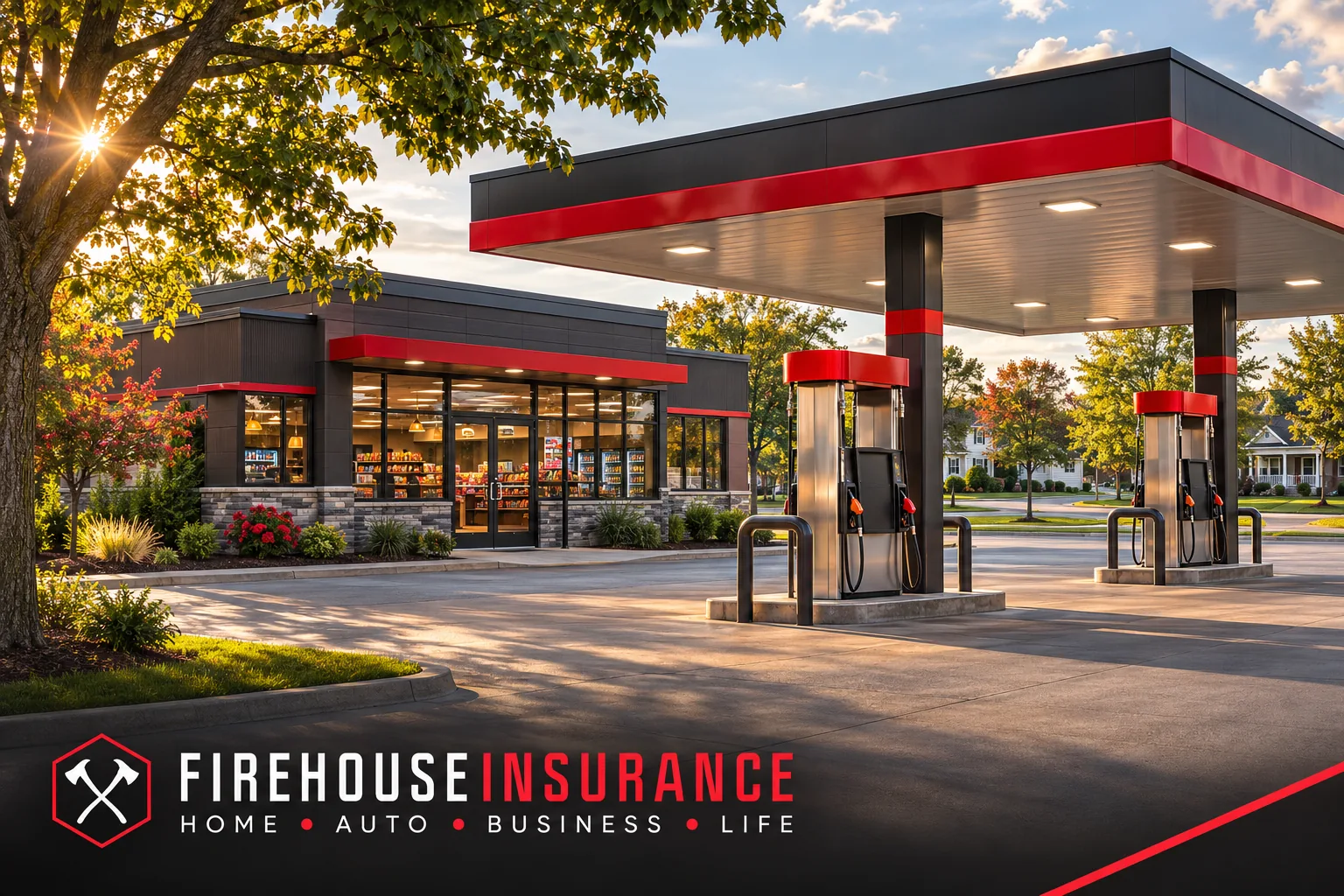
A convenience store with fuel pumps typically costs $4,000 to $12,000 a year to insure, noticeably more than a comparable store without fuel. The gap isn't really about the retail side of the business, it's almost entirely about one specific, state-regulated exposure: underground storage tanks.
Why Fuel Tanks Change Everything About the Insurance Picture
Ohio regulates petroleum underground storage tanks through BUSTR, the Bureau of Underground Storage Tank Regulations. Under Ohio Administrative Code 1301:7-9-05, every tank owner has to hold a valid certificate of coverage in the state's UST fund, and separately demonstrate financial responsibility for a deductible, commonly cited at $50,000 for corrective action and third-party bodily injury or property damage claims. That deductible has to be backed by something real: insurance, a surety bond, a letter of credit, or documented self-insurance.
The Fund and Your Own Coverage Are Two Different Things
This is a common point of confusion: the state fund certificate is not a substitute for your own coverage, it's one piece of a two-part requirement. The fund helps cover cleanup costs above the deductible; you're still responsible for demonstrating you can cover the deductible itself. Most station owners meet that second piece with a private environmental/pollution liability policy rather than carrying $50,000 in uncommitted cash reserves.
| Requirement | What it covers |
|---|---|
| State fund certificate | Cleanup costs above the deductible |
| Financial responsibility for the deductible | The first $50,000 of corrective action / third-party claims |
| Standard commercial property & GL | Everything outside the tank-specific exposure |
What Happens If You're Not Covered
BUSTR inspections check for current, documented financial responsibility. Coming up short isn't a paperwork slap on the wrist, it can lead directly to a tank closure order, which for a station means losing the ability to sell fuel until it's resolved.
Beyond the Tanks
Once the UST-specific piece is handled, a gas station/convenience store still needs the same foundation as any retail operation: commercial property, general liability, workers' compensation, and, if there's a food service component, the equipment breakdown and spoilage coverage that comes with it.
Running a station with fuel pumps, or thinking about adding them to an existing store? Get a quote that accounts for the UST side correctly from the start, not as an afterthought once BUSTR comes knocking.
Frequently asked questions
What is BUSTR, and why does it matter for gas station insurance?
BUSTR is Ohio's Bureau of Underground Storage Tank Regulations, which oversees petroleum USTs statewide. Under Ohio Administrative Code 1301:7-9-05, every tank owner must hold a valid certificate of coverage in the state fund and show financial responsibility for a deductible, commonly cited as $50,000 for corrective action and third-party bodily injury/property damage, through insurance, a bond, a letter of credit, or self-insurance.
Does the state fund replace the need for pollution liability insurance?
No. The fund certificate and your own financial responsibility mechanism for the deductible are two separate, required pieces. Most station owners meet the deductible requirement with a private pollution liability policy or bond rather than self-insuring $50,000 in exposure out of pocket.
What happens if a station can't show proof of financial responsibility during a BUSTR inspection?
Failing to document financial responsibility for your tanks can lead to a tank closure order. Keeping your financial assurance documents on file and current isn't optional paperwork, it's a condition of being allowed to keep operating the tanks.
Does a convenience store without fuel pumps need the same coverage?
No, the UST pollution liability requirement is specific to stores with underground fuel tanks. A store without fuel still needs standard commercial property, general liability, and workers' compensation, but the tank-specific financial responsibility rules under BUSTR simply don't apply.
What else is distinct about insuring a gas station compared to a typical retail store?
Beyond UST pollution liability, gas stations carry elevated fire risk around fuel dispensing, higher theft/robbery exposure from cash and tobacco sales, and often a convenience-store/quick-serve food combination that adds its own spoilage and equipment breakdown exposure.
Ready to see your real rate?
Get My Quote