
Equipment Rental & Dealer Insurance Cost
Kenneth Schaub, Owner & Licensed Insurance Advisor
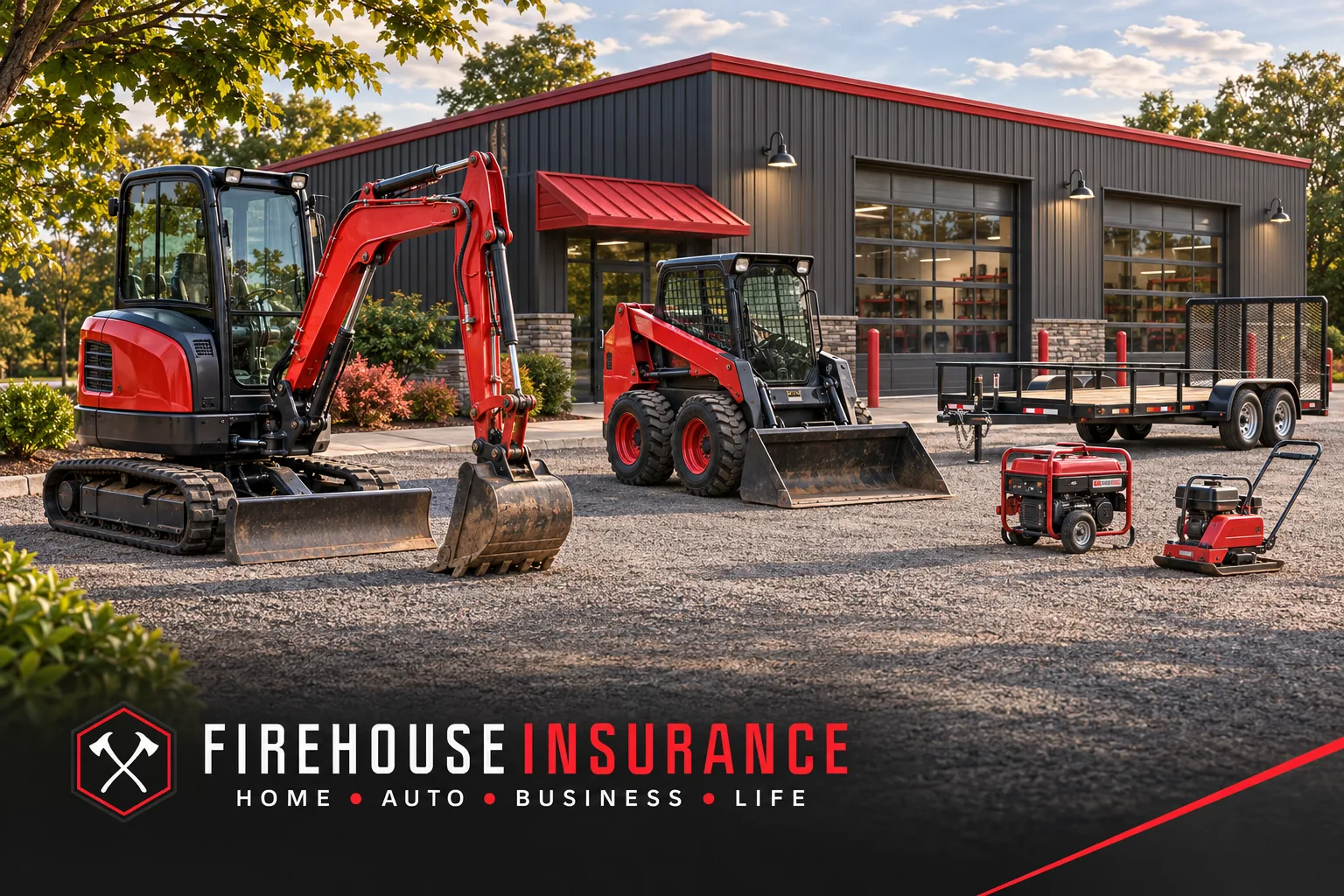
Equipment rental and dealer businesses typically pay $1,100 to $3,000 a year, combining general liability with inland marine coverage, sometimes called an equipment floater, which is the real protection for a fleet that spends most of its time away from your own property, in customers' hands and on their job sites.
The Damage Waiver Isn't Insurance, Even Though It Feels Like It
This is one of the most common points of confusion in this industry: the damage waiver you charge customers, typically 10-15% of the rental rate, is a contractual fee, not an insurance product. It helps cover routine customer-caused wear, but it specifically does not cover third-party liability, and it isn't a substitute for your own coverage on the equipment itself.
Inland Marine Is the Real Protection for Your Fleet
Because rental equipment is, by definition, usually somewhere other than your own premises, inland marine coverage protects it against physical loss or damage on-site, in transit, and at the customer's location, everywhere a typical commercial property policy, built around a fixed building, simply doesn't reach.
| Mechanism | What it actually does |
|---|---|
| Damage waiver | Contractual fee covering routine wear, not insurance |
| Inland marine policy | Covers real repair/replacement cost of your equipment |
| Customer's own insurance | May also respond, depending on the loss |
When Equipment Is Damaged, Who Actually Pays?
In practice, a loss at a customer's site can involve your inland marine policy, the customer's own insurance, or the damage waiver, and which one ultimately pays is usually determined by documentation of what happened, not by assumption or argument after the fact. Clear rental agreements and careful incident records matter as much as the coverage itself.
Job-Site Theft: Worth Confirming Directly
Job-site theft of rented equipment is a real, common occurrence in this industry, and coverage for it varies by policy. Confirming specifically whether your policy covers this scenario, rather than assuming it does, is worth doing before it happens, not after.
Common Exclusions to Know About
Damage from abuse or misuse of the equipment, and damage caused by unauthorized users, are commonly excluded. For higher-value equipment rented out for film, events, or large projects, the client's own production or project insurance is often expected to be primary, with your policy acting as the backstop rather than the first line of defense.
If you run an equipment rental or dealer business, get a quote that treats inland marine coverage as the core of your protection, not an afterthought to the damage waiver you collect at checkout.
Frequently asked questions
Is a rental damage waiver the same thing as insurance?
No, and this is a common and important misunderstanding. A damage waiver, typically 10-15% of the rental rate, is a contractual fee that covers routine customer-caused wear, but it is not insurance and does not cover third-party liability. Your own inland marine policy is what actually covers the real repair or replacement cost of the equipment.
What does inland marine coverage actually protect for a rental business?
It covers your rental fleet and inventory against physical loss or damage while on your premises, in transit, or at a customer's location. This is the core policy protecting equipment that, by the nature of the business, spends most of its useful life somewhere other than your own property.
If a customer damages rented equipment, whose policy pays?
It can be any of three: your inland marine policy, the customer's own insurance, or the damage waiver, and in practice, which one actually pays is typically settled by documentation of the incident rather than by argument. Clear rental agreements and incident records matter more than they might seem to upfront.
Does equipment rental insurance cover theft from a customer's job site?
This varies by policy, and it's worth confirming directly, some policies clearly cover job-site theft of rented equipment, others are more limited. Given how common job-site theft is in this industry, confirming this specific point before a loss happens is worth the conversation.
Are there common exclusions I should know about in equipment rental coverage?
Yes, damage from abuse or misuse of the equipment, and damage caused by unauthorized parties using it, are commonly excluded. A client's own production or project insurance is often still required as primary coverage in higher-value rental scenarios, with your policy acting as a backstop rather than the first line of coverage.
Ready to see your real rate?
Get My Quote