
Liquor Store (Carryout/Package Store) Insurance Cost in Ohio
Kenneth Schaub, Owner & Licensed Insurance Advisor
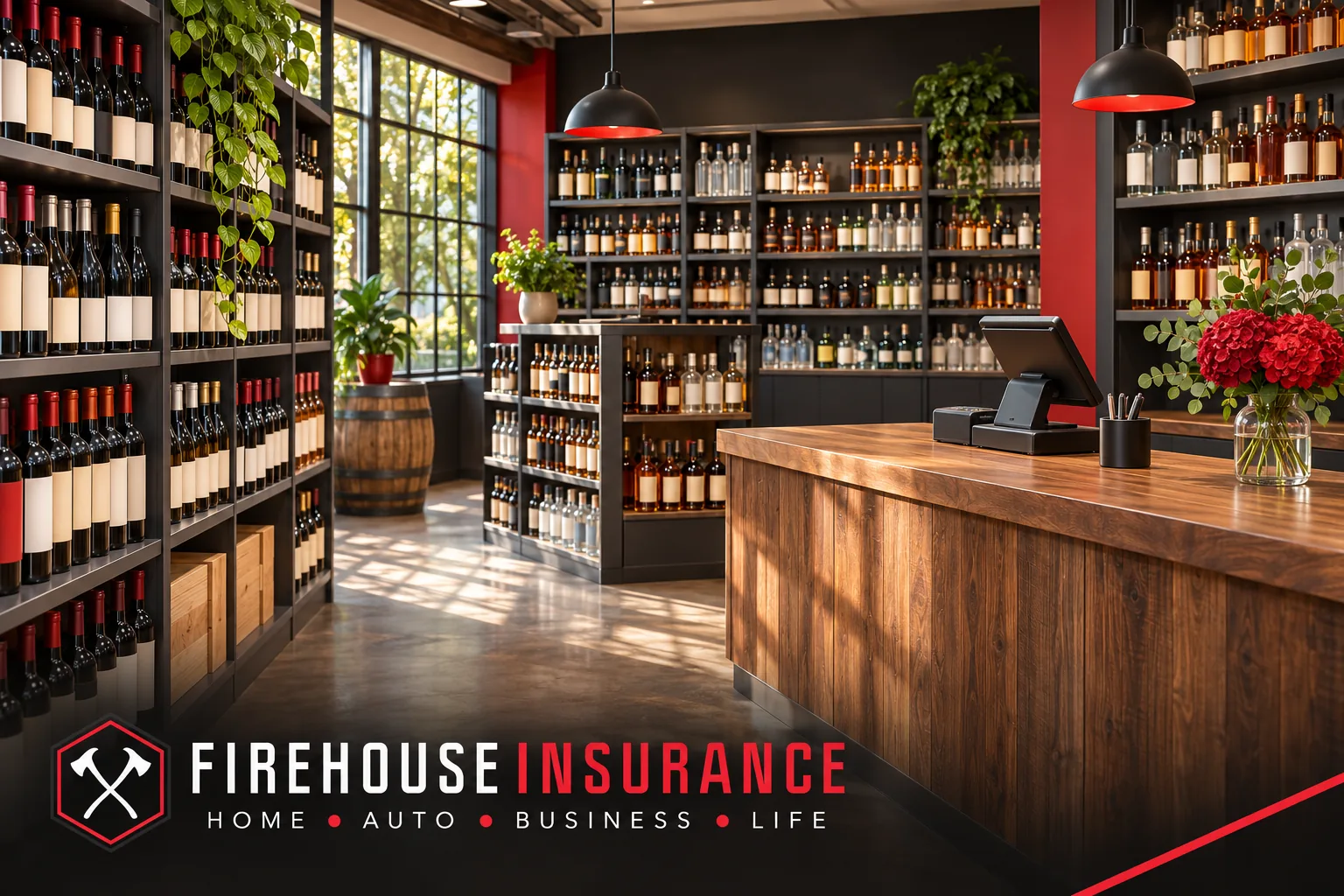
Ohio carryout liquor stores operate under a genuinely different legal and risk structure than a bar, and the insurance priorities shift accordingly. The real exposure here isn't liquor liability in the dram-shop sense, it's theft and robbery, cash-heavy retail with high-value, easily resold inventory.
A Different Permit Structure Entirely
Carryout stores operate under C-class permits, distinct from the permits bars and restaurants hold:
| Permit | Covers |
|---|---|
| C-1 | Carryout beer sales, until 1 a.m. |
| C-2 | Carryout wine and prepackaged low-proof mixed beverages, until 1 a.m. |
Sealed bottles of hard liquor, vodka, whiskey, and similar, aren't sold under either of these permits at all. In Ohio, those are sold exclusively through state contract agency stores, a structural difference from most other states worth knowing if you're planning a store's product mix.
Why Dram Shop Exposure Looks Different Here
A bar's central legal exposure is dram shop liability, serving an intoxicated or underage patron who then causes harm. A carryout store generally isn't serving drinks for on-premises consumption, so that specific exposure is far less central here. The real, dominant risk for a liquor store looks more like standard high-value retail: theft, robbery, and cash handling, not the knowing-service standard that drives bar liability claims.
A Real, Documented Conflict Worth Flagging
Ohio's own quota guidance lists both C-1 and C-2 as subject to the state's traditional liquor permit quota system, while some secondary compliance guides describe them as not quota-restricted at all. Given that real discrepancy, confirming current quota availability directly with Ohio's Division of Liquor Control, rather than trusting either side of that conflict, is the only reliable path if you're trying to open a new location.
Where the Insurance Focus Actually Belongs
Beyond standard commercial property and general liability, a carryout liquor store's coverage should put real weight on crime and theft coverage, both external robbery exposure and employee dishonesty, cash-heavy, high-resale-value retail is a well-documented target for both, and it's a meaningfully different risk conversation than the liquor liability discussion a bar needs to have.
If you operate a carryout liquor store in Ohio, get a quote built around the real theft and crime exposure this business carries. If your business also serves alcohol for on-premises consumption, liquor liability insurance for bars covers that distinctly different exposure.
Frequently asked questions
What Ohio liquor permit does a typical carryout store need?
A C-1 permit covers carryout-only beer sales (until 1 a.m.), and a C-2 permit covers carryout wine and prepackaged, low-proof mixed beverages (also until 1 a.m.). A grocery store's beer and wine section typically operates under one or both of these.
Can a carryout store sell sealed bottles of liquor like vodka or whiskey?
No, not under a C permit. Sealed bottles of spirituous liquor in Ohio are sold only through state contract agency stores, a carryout store's C-1/C-2 permits cover beer and wine/prepackaged mixed beverages, not hard liquor sold by the bottle.
Does a carryout liquor store face the same dram shop liability exposure as a bar?
Less directly, since a carryout store generally isn't serving drinks for on-premises consumption the way a bar does. The dominant real-world exposure for a carryout store shifts toward theft, robbery, and cash/inventory loss rather than the knowing-service dram shop standard that drives bar liability claims.
Are C-1 and C-2 permits subject to Ohio's liquor permit quota system?
According to the state's own quota guidance, yes, both C-1 (carryout beer) and C-2 (carryout wine/prepackaged mixed beverages) fall under the traditional quota system, though some secondary sources describe them as not quota-restricted. Given the real conflict between sources, confirming current quota availability directly with Ohio's Division of Liquor Control before relying on either answer is the safer path.
What does a carryout liquor store need beyond its liquor permit coverage?
Standard commercial property and general liability, plus a real, deliberate focus on crime/theft coverage, cash-heavy, high-value inventory retail is a well-documented target for both external theft and employee dishonesty, which is why many carryout stores carry a crime policy alongside standard liability.
Ready to see your real rate?
Get My Quote